
How to Pick the Right Demolition Chisel for Your Next Job (And Make It Last)
How to Pick the Right Demolition Chisel for Your Next Job (And Make It Last)
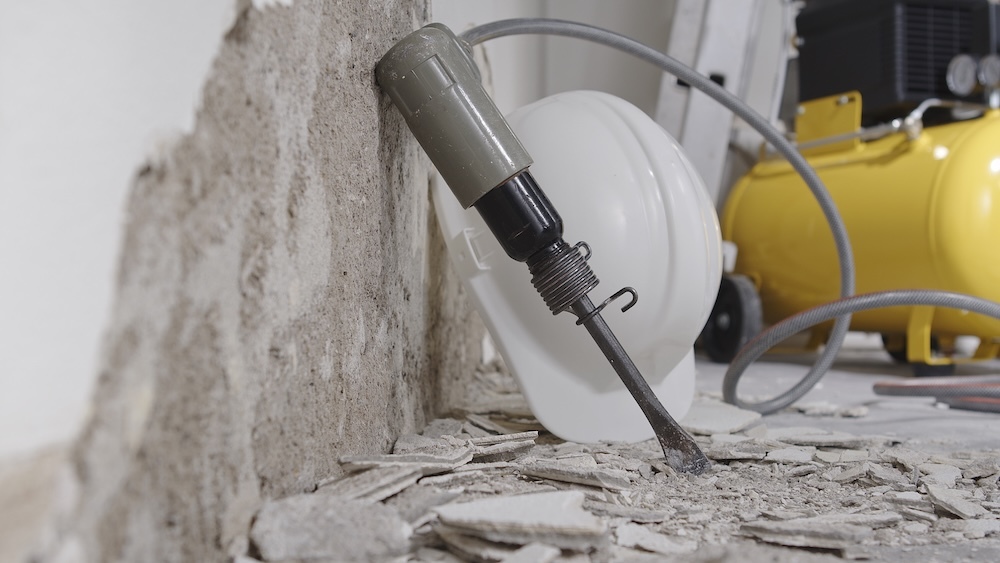
When it comes to demolition, there’s one tool that sees more abuse than any other: the chisel. Whether you're breaking concrete, scraping tile, or cutting channels for pipework, the right chisel doesn't just help you work faster—it prevents expensive mistakes, saves wear on your hammer, and keeps the job on schedule.
At Champion Chisel Works, we’ve been helping contractors, utility crews, and industrial maintenance teams pick the right demolition steel for decades. Our chisels are made in the USA, forged from heat-treated American steel, and shipped from our headquarters in Rock Falls, Illinois to job sites across North America.
But even the best chisel won’t save the day if it’s the wrong one for the task—or if it’s not maintained properly.
Let’s walk through how to choose the right chisel for your job and keep it in top working condition. Whether you're running SDS Max tools, pavement breakers, or rivet busters, these tips will help you get the most from your gear.
1. Start With the Job: Not All Chisels Are Created Equal
We’ve seen it too many times—someone grabs the widest chisel on the truck, slams it into a demolition hammer, and wonders why it's bouncing off epoxy-coated concrete. The width and shape of your chisel should match the material and the task. Here’s a quick guide based on real-world scenarios:
1. Start With the Job: Not All Chisels Are Created Equal
For busting up slabs, foundations, or walls, go with a narrow flat chisel or a moiled point. A narrower tool drives more impact into a small area, making it easier to crack dense concrete. Champion's pavement breaker steel or rivet buster chisels are ideal here.
Tile & Flooring Removal
This is where a wide chisel or scraper shines—especially our Sure Lock Floor Scraper System. A 3" or 4" chisel gives you coverage across more surface area, which reduces fatigue and speeds up adhesive removal. Make sure you’re using one designed to take lateral impact.
Channel Cutting for Pipe or Conduit
Use a narrow-to-medium flat chisel, preferably in an SDS Max or SDS Plus format. If you're running rotary hammers for mechanical rough-ins, a properly matched chisel keeps your groove clean and accurate.
Overhead Work or Delicate Demolition
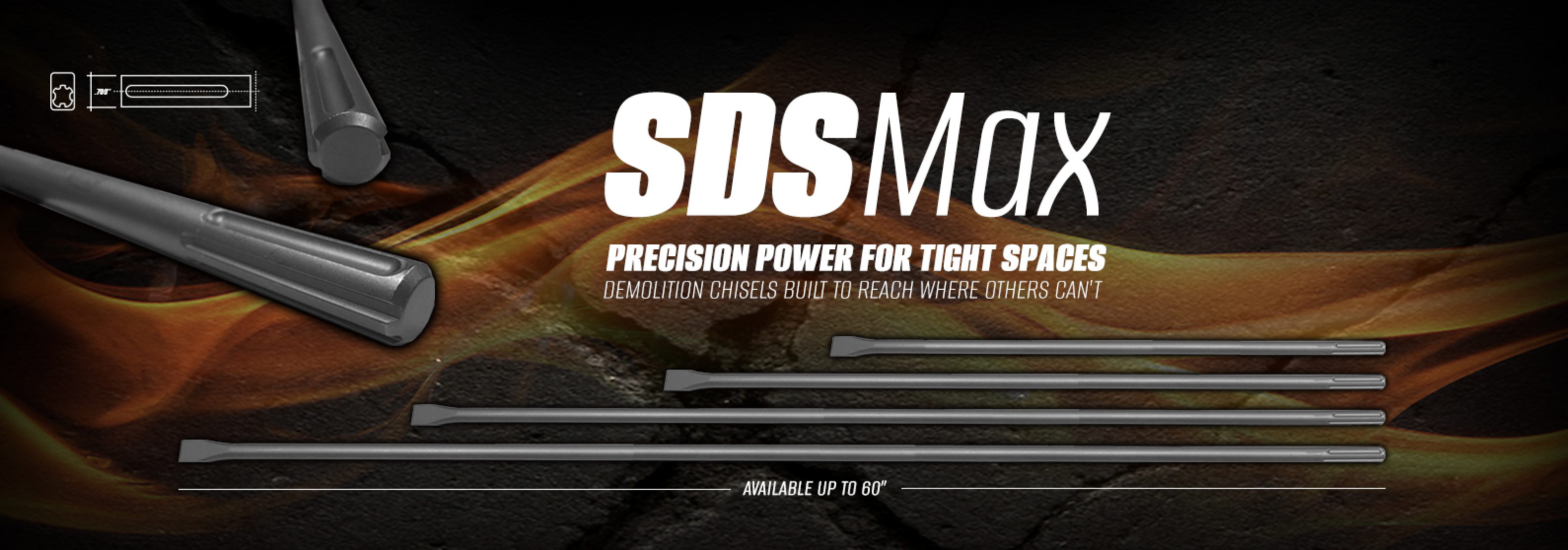
Lightweight SDS Max chisels or scaling chisels are best. You don’t need brute force—you need control and consistency. We make several SDS Max options that are perfect for this kind of work.
2. The Importance of Heat-Treated Steel
Here's something not enough buyers ask about: is the chisel heat-treated? At Champion Chisel Works, every one of our tools is heat-treated in the USA. That’s not just a marketing point—it’s essential to performance. Heat treatment increases the hardness of the steel, helping it resist mushrooming, cracking, or premature edge wear.
You might save a few bucks on imported tools made from untreated or low-grade steel, but they'll dull faster, deform under stress, and cost you more in the long run. In this business, cost-per-use matters way more than price tag.
If you’re using a cheap chisel on a $1,200 hammer and it fails mid-job, was that really worth the $15 you saved?
3. Maintenance: It’s Not Just About the Tool—It’s About Uptime
Even top-quality chisels need regular care to perform at their best. Here’s what we recommend to get the longest life from your demolition steel:
Inspect Before Use
Check for cracking, heavy mushrooming, or bending. If the tool is deformed near the shank, it’s time to retire it.
Sharpen When Appropriate
If the edge is rounded or dull, resurface with a bench grinder at the correct angle. Don’t overheat the steel. If you see blue discoloration, it means the temper is gone—and so is your tool’s effectiveness.
Replace When It's Time
Some contractors over-sharpen or use worn chisels far too long. Once the steel has been ground down significantly or has visible stress fractures, it’s a liability—not a savings.
Store Correctly
Don’t throw your chisels in a bucket of water or leave them exposed to the elements. Store them in a dry toolbox or rack. Keep them off concrete floors to avoid rust and impact damage.
Transport Securely
Keep chisels from banging against each other or sliding around in a truck. That repetitive contact wears down collars and edges unnecessarily.
4. Avoiding Common Mistakes
We've seen the same mistakes repeated across job sites, and they usually come down to rushing or misjudging the task. Here are a few worth avoiding:
- Using a chisel that’s too wide for dense materials (like trying to remove epoxy with a 4" scraper)
- Forcing a non-compatible shank into a hammer(especially SDS Max vs. Plus confusion)
- Skipping inspections between jobs
- Using a dull chisel because “it’s the only one on hand”
- Buying cheap tools in bulk instead of investing in performance-grade steel
5. Buying Chisels That Work as Hard as You Do
Champion Chisel Works is a family-owned business built around supporting contractors, industrial teams, and rental companies who need tools they can count on.
We’ve been doing this for decades out of Rock Falls, Illinois, and we ship nationwide from warehouses across the country. We’re not just here to sell tools—we’re here to keep your jobs moving. Whether you're sourcing SDS Max demolition steel, pavement breaker bits, or floor scraper systems, we have what you need—built in America, delivered on time, at competitive pricing.
Have a question about tool selection or shank compatibility? Call us at 800-239-1434 and speak with a real human who knows demolition work—not a call center or chatbot.
Stop wasting time and money on the wrong chisel.
Get the right tool for the job—built in the USA, backed by a team who knows what it’s like to work in the field.