
SDS Drill Bits: What You Need to Know About SDS, SDS-Plus, and SDS-Max for Rotary Hammer Drills
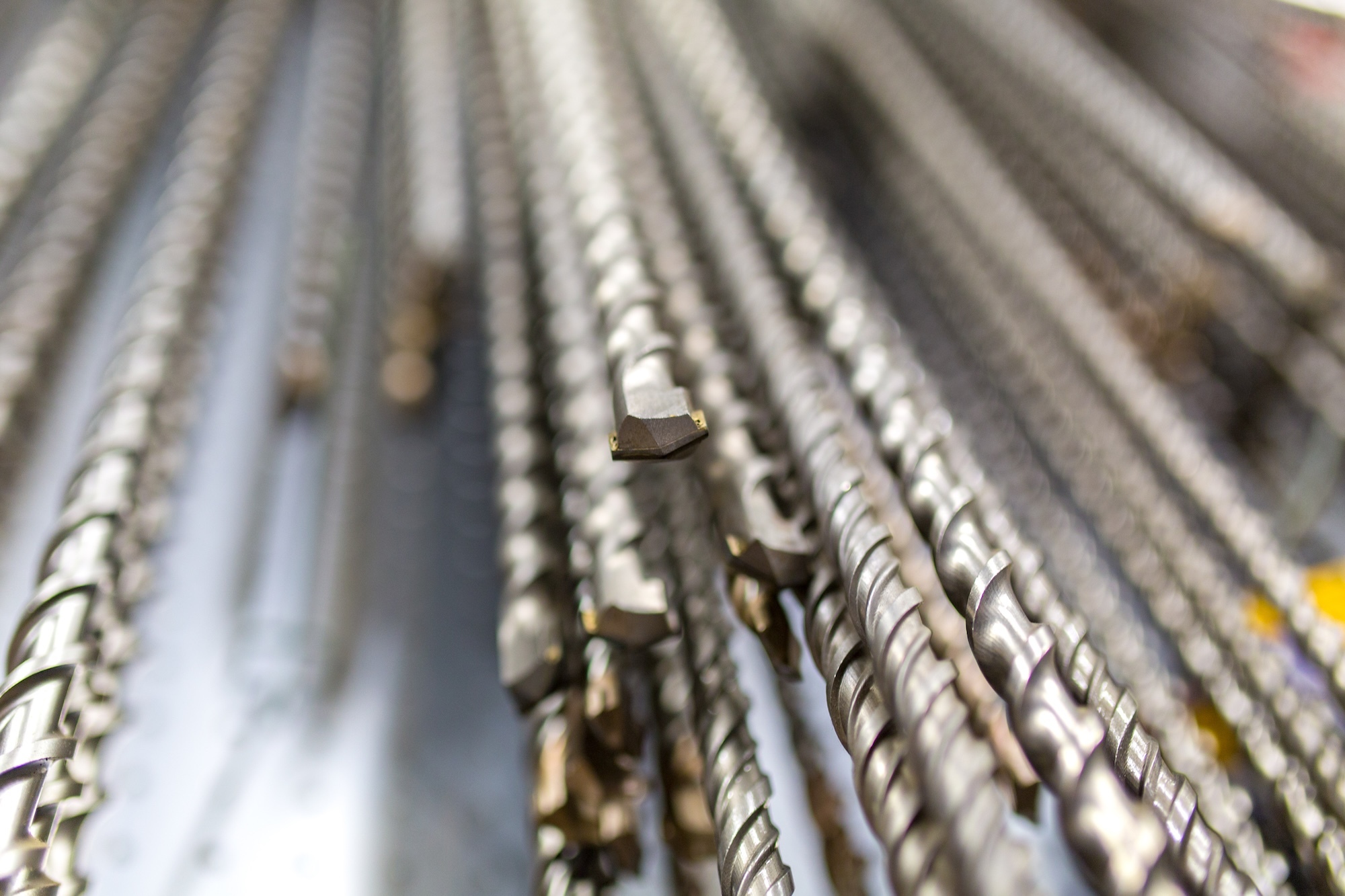
SDS drill bits are essential tools for professionals working in construction, demolition, concrete drilling, and heavy-duty renovation. If you're searching for durable, high-performance bits that deliver consistent results, SDS bits offer a trusted solution. Whether you're comparing SDS vs. hammer drills, exploring SDS-Plus rotary hammer options, or determining whether SDS-Max is the right choice for your next project, understanding the differences will help you make a smarter purchase.
At Champion Chisel Works, we provide high-quality SDS-compatible drill bits built to endure even the most demanding applications. Here's everything you need to know before choosing an SDS drill bit or rotary hammer tool.
SDS stands for Slotted Drive System or Slotted Drive Shaft. These types of drill bits are specifically designed for use in rotary hammer drills. Unlike standard round-shank bits, SDS drill bits feature indentations or "slots" on the shank that allow them to fit securely into an SDS-style chuck system.
This slot-and-groove design allows the bit to move back and forth independently of the chuck, enabling true hammering motion without spinning the bit inside the chuck. This not only reduces bit slippage but also ensures more efficient impact transfer, resulting in faster and more effective drilling through tough materials like concrete, brick, and masonry.
SDS drill bits are most commonly used in applications requiring precise, repetitive, and forceful hammering-such as anchor installation, concrete drilling, or demolition prep.
One of the most common questions from buyers is the difference between a traditional hammer drill and an SDS hammer drill. While both tools are designed to drill into harder surfaces, their functionality, durability, and design vary significantly.
A standard hammer drill uses a mechanical clutch system to generate hammering action. This design is suitable for lighter masonry work such as drilling into brick or mortar. However, these tools are not engineered for sustained impact in dense concrete or for large-diameter holes.
SDS rotary hammer drills, on the other hand, are purpose-built for heavy-duty applications. They use pneumatic hammering mechanisms, providing a more forceful impact with less vibration. The SDS bit design enhances power transfer, which results in smoother operation, less user fatigue, and extended tool and bit life.
If you're working on serious concrete or rebar drilling, SDS rotary hammers are the better choice. They are compatible with SDS, SDS-Plus, and SDS-Max bits depending on the tool's capacity and your application needs.
Choosing between SDS-Plus and SDS-Max depends on the job at hand, the size of the hole you're drilling, and the hammer drill you're using. Here's a breakdown of each system.
SDS-Plus is the most common shank size for residential and light commercial use. These bits have a 10mm shank and typically fit rotary hammers in the 2-10 lb. range.
- Best for drilling holes up to 1 inch in diameter
- Ideal for anchoring, rebar doweling, and light concrete work
- Compact and versatile for overhead or tight-space drilling
SDS-Plus bits are widely used because they offer a great balance of performance and control for jobs that don't require extremely large-diameter holes or deep penetration into thick materials.
SDS-Max is designed for more demanding, industrial-level jobs. These bits feature an 18mm shank and are compatible with heavier rotary hammers typically weighing 12 lbs or more.
- Used for holes 1 inch in diameter or larger
- Ideal for demolition, thick concrete slabs, or deep anchoring
- Provide more impact energy and torque with every blow
SDS-Max bits also tend to be longer and more robust, making them ideal for deep drilling, coring, and heavy demolition. They are the preferred choice for commercial contractors and industrial job sites.
| Feature | SDS Plus | SDS Max |
|---|---|---|
| Shank Diameter | 10mm | 18mm |
| Best For | Light to medium duty | Heavy duty demolition |
| Typical Hole Size | Up to 1 inch | 1 inch or larger |
| Applications | Anchoring, rebar doweling, light concrete work | Demolition, thick slabs, deep anchoring |
No, SDS bits cannot be used in a standard hammer drill unless the drill has an SDS-compatible chuck or an adapter. SDS bits require the tool to support the slotted shank design, which allows for independent bit movement during the hammering cycle. Using SDS bits in a standard three-jaw chuck can result in poor performance, bit damage, or safety hazards.
Likewise, regular drill bits cannot be used in an SDS rotary hammer unless an adapter is used. Even then, performance will be sub-optimal because the tool's hammering action is designed specifically for SDS engagement.
- Choose SDS-Plus if you're performing general-purpose concrete drilling, installing anchors, or working in smaller residential or commercial spaces.
- Choose SDS-Max if you need to drill large holes, perform demolition work, or tackle thick, reinforced concrete slabs.
- Choose a regular hammer drill only for occasional light masonry drilling or if you're working with soft bricks or cinder blocks.
If your job involves repeat drilling in hard materials, SDS or SDS-Plus is a smart investment. For demolition contractors, concrete formers, or road crews, SDS-Max tools and bits are a must.
Champion Chisel Works is proud to offer a full line of SDS, SDS-Plus, and SDS-Max bits manufactured to exacting standards. Our bits are heat-treated and designed for durability, ensuring long life and high performance in the field. With decades of experience supplying professional-grade tools to contractors, rental yards, and distributors across North America, we know what it takes to get the job done right.
We also specialize in custom bit design for unique applications. If your hammer drill or job site has specific requirements, we'll work with you to engineer the right solution.
Whether you need standard SDS rotary hammer bits or specialized demolition tools, Champion Chisel Works has you covered.
SDS stands for Slotted Drive System or Slotted Drive Shaft. It refers to the shank design of the drill bit that fits into a matching SDS chuck, allowing better energy transfer during drilling.
No, SDS bits require an SDS-compatible rotary hammer drill. Standard hammer drills do not support the slotted shank, and using adapters often compromises performance and safety.
SDS-Plus bits are used for light to medium-duty drilling with a 10mm shank, ideal for holes up to 1 inch in diameter. SDS-Max bits have an 18mm shank and are used for larger, heavy-duty applications like demolition or deep concrete drilling.
No. SDS-Max bits are physically larger and will not fit SDS-Plus tools. Always match your bit type to your rotary hammer's specifications.
Refer to your tool's manual or use the Chisel Lookup by Hammer Model tool available on our website. You can also contact Champion Chisel Works directly for help finding the right bit.
Yes. We offer SDS-compatible bits for select Harbor Freight hammer models. Use our hammer model lookup tool to confirm compatibility.
Most of our bits are manufactured and shipped from Rock Falls, Illinois, with quality control you can trust. We ship nationwide and internationally.
In-stock items usually ship within two business days. Out-of-stock or custom orders may take longer. For faster delivery options, expedited shipping is available during checkout.
Yes. If you need a unique tool or a specific length or shank design, contact us to discuss your custom requirements. We regularly build tools for specialty applications across multiple industries.
| Contact Us | Shop All Tools |