
Best Chisel Bits for Asphalt Work: A Professional's Guide to Road Construction Tools
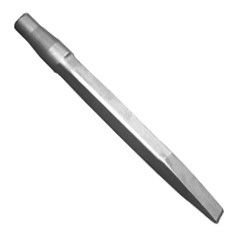
What Makes a Chisel Bit Effective for Asphalt Work?
Asphalt demolition demands specialized tooling that can withstand extreme impact forces while maintaining cutting efficiency. The best chisel bits for asphalt work combine several critical design elements that separate professional-grade tools from basic alternatives.
Material composition stands as the primary factor determining bit longevity and performance. High-grade tool steel, typically 4140 or 4340 alloy, provides the backbone strength necessary to absorb repeated hammering without fracturing. The cutting edge requires tungsten carbide brazing or through-hardening to maintain sharpness against abrasive asphalt aggregates.
Bit geometry directly impacts breaking efficiency and debris removal. Moil points concentrate force into a small area for initial penetration, while flat chisels provide broader surface contact for material removal. The optimal angle varies between 22–30 degrees for most asphalt applications, balancing penetration ability with edge durability.
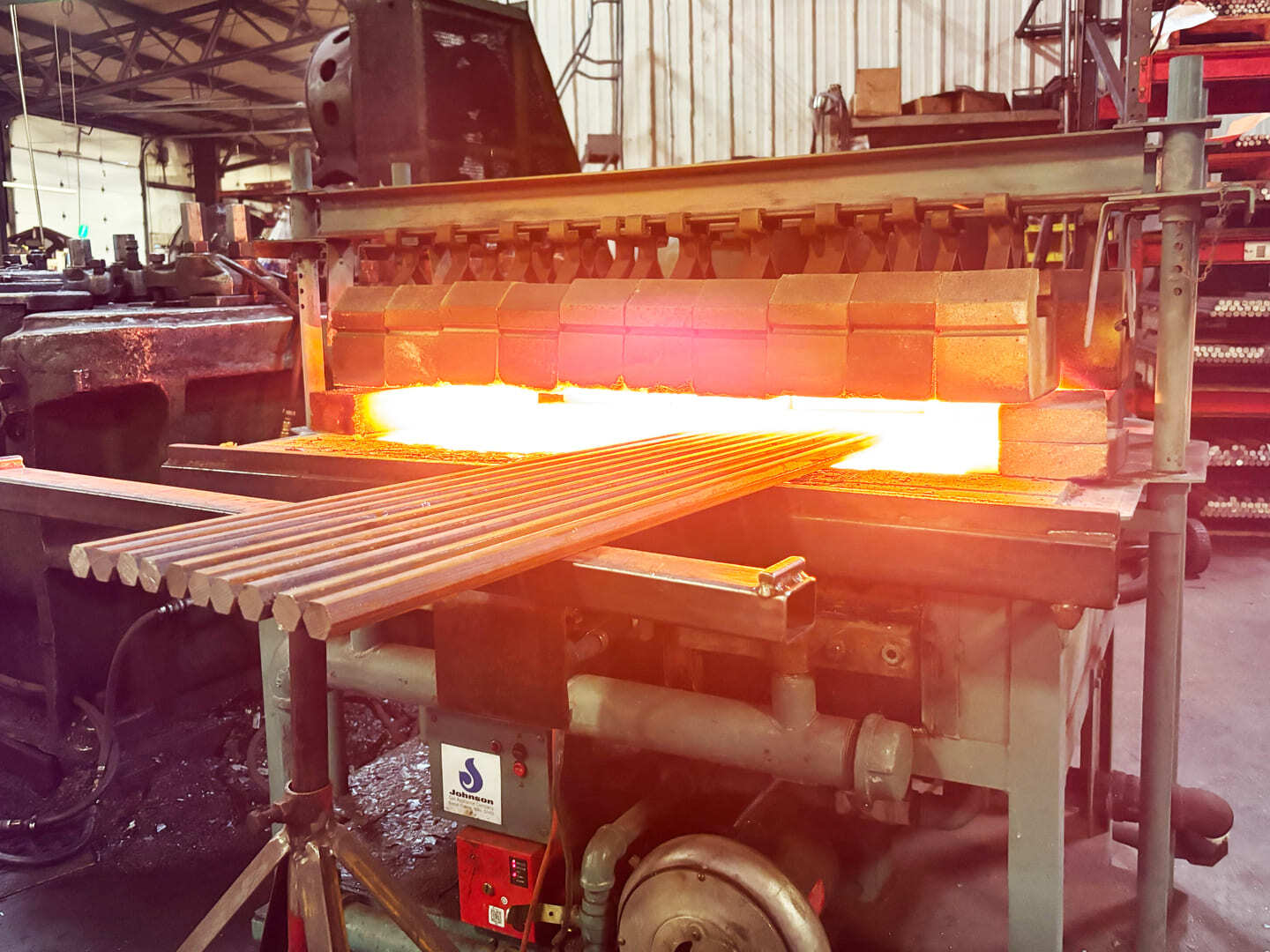
Heat treatment processes determine the bit’s ability to maintain hardness under extreme working conditions. Proper tempering creates a hard cutting edge while preserving a tough core that resists shock failure. This thermal processing typically involves heating to 1500–1600°F followed by controlled cooling to achieve 58–62 HRC hardness ratings.
How Do Different Chisel Bit Types Perform in Asphalt Applications?
Asphalt removal projects require different bit configurations depending on the specific application, material thickness, and desired finish quality. Understanding each type’s strengths helps contractors select the optimal tool for their project requirements.
Moil Point Bits
- Concentrated impact force for maximum penetration
- Ideal for breaking through thick asphalt layers
- Excellent for starting demolition cuts
- Minimal material removal per strike
- Best for precision breaking work
Flat Chisel Bits
- Broad cutting edge for efficient material removal
- Superior for surface preparation and cleanup
- Faster material removal rates
- Requires more power to operate effectively
- Optimal for final surface finishing
Angled Chisel Bits
- Versatile cutting geometry for varied applications
- Effective for edge work and corner access
- Balanced penetration and removal capabilities
- Reduced binding in tight spaces
- Good all-around performance characteristics
Spade bits offer another specialized option for specific asphalt work scenarios. These wider tools excel at removing large sections of material efficiently but require higher-powered equipment to operate effectively. Their broader cutting surface distributes impact force, making them ideal for final cleanup operations rather than initial breaking work.
Which Brands Deliver the Best Performance for Professional Use?
Professional contractors rely on proven manufacturers that consistently deliver reliable performance under demanding job site conditions. The following comparison examines leading brands based on durability, cost-effectiveness, and availability.
| Brand | Material Grade | Hardness (HRC) | Avg. Lifespan | Price Range | Best Application |
|---|---|---|---|---|---|
| Champion Chisel | 4340 Alloy Steel | 60–62 | 800–1200 hours | $$$ | Heavy-duty commercial |
| Caterpillar | 4140 Tool Steel | 58–60 | 600–900 hours | $$$$ | Equipment OEM match |
| Atlas Copco | Premium Alloy | 59–61 | 700–1000 hours | $$$$ | Precision applications |
| Generic Import | Basic Carbon Steel | 52–56 | 200–400 hours | $ | Light-duty residential |
| Sandvik | Advanced Metallurgy | 61–63 | 900–1300 hours | $$$$$ | Extreme conditions |
Performance testing reveals significant variations in wear resistance and impact strength between manufacturers. Premium brands justify higher initial costs through extended service life and reduced downtime for bit changes. Budget options may suit occasional users but prove costly for production work due to frequent replacement needs.
What Size and Specifications Should You Choose?
Proper bit sizing ensures optimal energy transfer from your hammer to the work surface while preventing premature tool failure. Mismatched components reduce efficiency and increase operating costs through excessive wear and potential equipment damage.
Hammer weight determines the appropriate bit size range for effective operation. Light pneumatic hammers (15–35 lbs) work best with bits measuring 1-1/8" to 1-1/4" in diameter. Medium breakers (35–60 lbs) accommodate 1-1/4" to 1-1/2" bits efficiently. Heavy hydraulic hammers (60+ lbs) require 1-1/2" to 2" diameter bits to handle their increased power output.
Bit length affects both leverage and maneuverability during operation. Standard 12" lengths provide good balance for most applications, while 18" bits offer extended reach for deep cuts or overhead work. Shorter 8" bits improve control in tight spaces but may require more frequent repositioning.
Shank configuration must match your equipment’s tool holder system. Most modern hammers use hexagonal shanks (7/8", 1-1/8", or 1-1/4" across flats) that prevent bit rotation during operation. Round shanks, while less common, still appear on older equipment and require specific bit types for proper engagement.
Key Specification Considerations
- Bit diameter — match to hammer power output
- Shank size — verify compatibility with tool holder
- Overall length — balance reach requirements with control needs
- Tip angle — 22–30 degrees optimal for most asphalt work
- Carbide grade — WC-Co composition for maximum wear resistance
How Can You Maximize Chisel Bit Life and Performance?
Proper maintenance and operating techniques significantly extend bit life while maintaining peak performance throughout the tool’s service period. Following established best practices reduces replacement costs and minimizes project downtime.
Regular inspection identifies wear patterns before they compromise performance or safety. Check for cracked or chipped carbide tips, worn cutting edges, and bent shanks after each use session. Replace bits showing significant wear rather than risking sudden failure during operation.
Proper storage prevents corrosion and accidental damage when bits aren’t in active use. Clean all debris from bit surfaces and apply a light oil coating to prevent rust formation. Store bits in protective cases or racks that prevent contact damage between cutting edges.
Rotation schedules help ensure even wear across multiple bits, extending overall tool inventory life. Number bits sequentially and rotate usage to prevent overworking individual tools while others remain unused. This practice proves especially valuable for contractors maintaining large bit inventories.
Lubrication Requirements
- Apply penetrating oil to the shank before installation
- Clean the tool holder to ensure proper bit seating
- Use anti-seize compound in high-temperature applications
- Inspect and replace worn bushings that cause bit misalignment
- Follow the manufacturer’s recommended service intervals for hammer maintenance
Frequently Asked Questions
How long should quality chisel bits last in asphalt work?
Professional-grade chisel bits typically last 600–1200 operating hours in standard asphalt applications, depending on material hardness, bit quality, and operating technique. Premium brands like Champion Chisel often exceed 1000 hours with proper maintenance and correct usage practices.
Can I use concrete chisel bits for asphalt demolition?
While concrete bits can work in asphalt, they’re not optimized for this application. Asphalt-specific bits feature different tip geometry and heat treatment designed for the unique properties of asphalt materials, providing better performance and longer service life.
What’s the difference between carbide-tipped and all-steel bits?
Carbide-tipped bits offer superior wear resistance and maintain sharp cutting edges longer, making them ideal for production work. All-steel bits cost less initially but wear faster, making carbide-tipped options more economical for regular professional use.
How do I know when it’s time to replace a chisel bit?
Replace bits when the cutting edge becomes severely worn, the carbide tip chips or cracks, or the bit develops visible bends or cracks in the shank. Reduced cutting efficiency and increased vibration also indicate replacement time.
What safety precautions should I follow when using chisel bits?
Always wear safety glasses, hearing protection, and steel-toed boots. Inspect bits before use for cracks or damage. Ensure proper bit installation and maintain correct operating angles. Keep bystanders clear of the work area due to flying debris.
|
2M+
Chisels Forged
|
50M+
Lbs US Steel
|
2,400+
Customers Worldwide
|
Experience the Champion Chisel difference on your next asphalt project. Our professional-grade chisel bits are engineered for maximum durability and performance, backed by decades of construction industry expertise. Contact Champion Chisel today to discuss your specific requirements and discover how our premium tooling solutions can improve your productivity and reduce operating costs.
| Contact Us | Shop All Tools |