
Rock Drill Bits and Rock Drill Steel: Choosing the Right Rock Drilling Tools
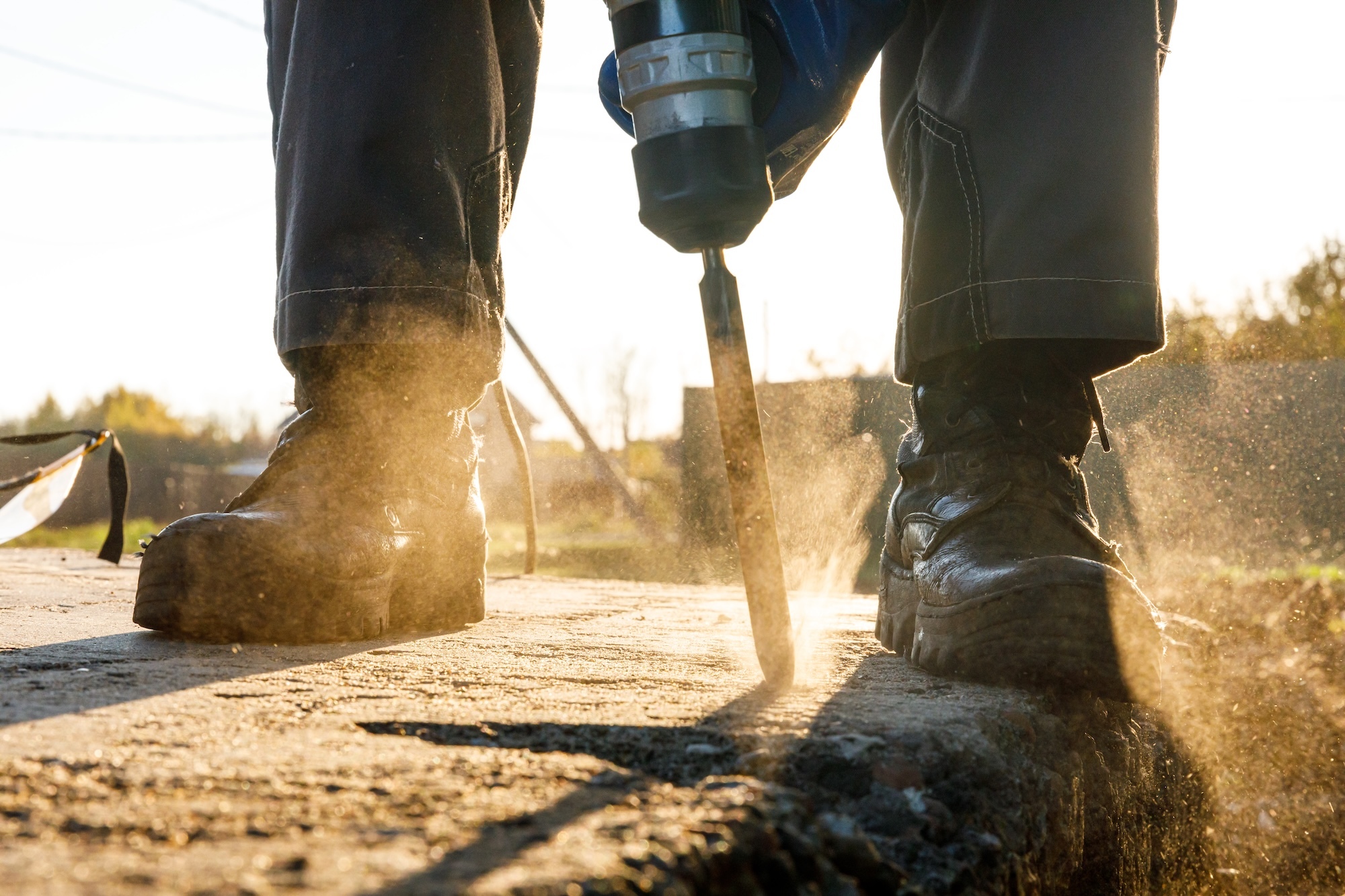
When contractors search for a rock drill bit, they are usually dealing with one of the toughest materials encountered on a job site. Drilling through rock, reinforced concrete, and dense aggregates requires tools specifically engineered for impact, durability, and consistent cutting performance. Standard masonry bits simply cannot handle the forces involved in heavy drilling, which is why professional contractors rely on purpose-built rock drill bits, rock drill steel, and heavy-duty drilling systems designed for industrial applications.
Rock drilling is common across many industries including highway construction, bridge work, quarry operations, utility installation, and large-scale demolition projects. Whether you are drilling anchor holes, installing dowel bars, or creating deep holes in rock formations, choosing the correct drill bit for rock is critical to getting the job done efficiently. The wrong bit will wear quickly, overheat, or fail completely, while the right tool will cut faster, last longer, and reduce strain on your drilling equipment.
How Rock Drill Bits Work
A rock drill bit is designed to withstand the intense impact forces generated by pneumatic or hydraulic drilling equipment. Unlike standard drill bits that rely primarily on rotation, rock drilling tools combine rotational cutting with heavy impact energy. This impact allows the bit to fracture hard materials like granite, limestone, basalt, and reinforced concrete. The cutting tips are typically made from carbide or hardened steel so they can survive repeated impact against extremely dense materials.
Professional contractors often purchase rock drill bits together with rock drill steel because these two components work as a system. The rock drill steel acts as the shaft or stem that transfers energy from the drill to the cutting bit. The bit itself performs the cutting action, while the steel provides length, stability, and strength during drilling. Together, rock drill steel and bits form the core of many heavy-duty drilling systems used in infrastructure and industrial work.
Types of Rock Drilling Bits and Their Applications
Understanding the different types of rock drilling bits available is important when selecting the right tool for a project. Some bits are designed for shallow holes in concrete or asphalt, while others are intended for deep drilling in hard rock formations. In highway construction, for example, contractors often use specialized bits to drill holes for dowel bars that help connect concrete slabs. In quarry and mining environments, larger rock drill bits are used to create blast holes that allow controlled rock removal.
Another factor that affects performance is the compatibility between the drill and the bit. Many contractors use rock hammer drill bits with pneumatic drilling systems that combine impact and rotation. These tools are designed to deliver repeated hammer blows while the bit rotates, which helps break apart hard materials quickly. The effectiveness of this system depends heavily on the quality of the rock drill bit and the strength of the steel that supports it.
| Application | Bit Type | Notes |
|---|---|---|
| Anchor holes / utility installation | Compact carbide-tip bit | Precision and control in smaller diameters |
| Dowel bar installation | Highway / pavement drill bit | Common in highway and bridge deck work |
| Quarry / blast hole drilling | Large-diameter rock drill bit | High-volume material removal |
| Deep drilling in granite / basalt | Heavy-duty carbide rock bit | Aggressive cutting pattern for dense formations |
Why Rock Drill Steel Quality Matters
The durability of rock drill steel is just as important as the cutting performance of the bit itself. During drilling, the steel absorbs constant vibration and impact energy. If the steel is not properly manufactured or heat treated, it can bend, crack, or transfer energy inefficiently to the cutting edge. High-quality rock drill steel is designed to maintain strength under extreme stress while ensuring that impact energy is delivered directly to the bit where it is needed most.
The materials being drilled also influence tool selection. Dense granite requires a different approach than fractured limestone or concrete with embedded aggregate. Harder rock formations demand bits with stronger carbide tips and more aggressive cutting patterns. Softer formations may allow faster drilling but still require durable steel to withstand vibration and friction. This is why professionals often consult experienced suppliers when selecting rock drill bits and rock drill steel for demanding projects.
|
2M+
Chisels Forged
|
50M+
Lbs US Steel
|
2,400+
Customers Worldwide
|
Selecting the Right Rock Drill Bit Size
Another consideration when selecting a drill bit for rock is the size of the hole being drilled. Contractors often search for information about rock drill bit sizes because the diameter of the hole determines the type of bit required. Matching the correct rock drill bit size to the job ensures both efficiency and tool longevity.
- Smaller diameter bits — Used for anchor holes, utility installations, and precision drilling where control matters more than volume.
- Mid-range diameter bits — Common in highway and bridge work, including dowel bar installation and structural anchor drilling.
- Larger diameter bits — Required for quarry blast holes, large infrastructure projects, and any application that demands removing significant volumes of material.
Why Champion Chisel Works
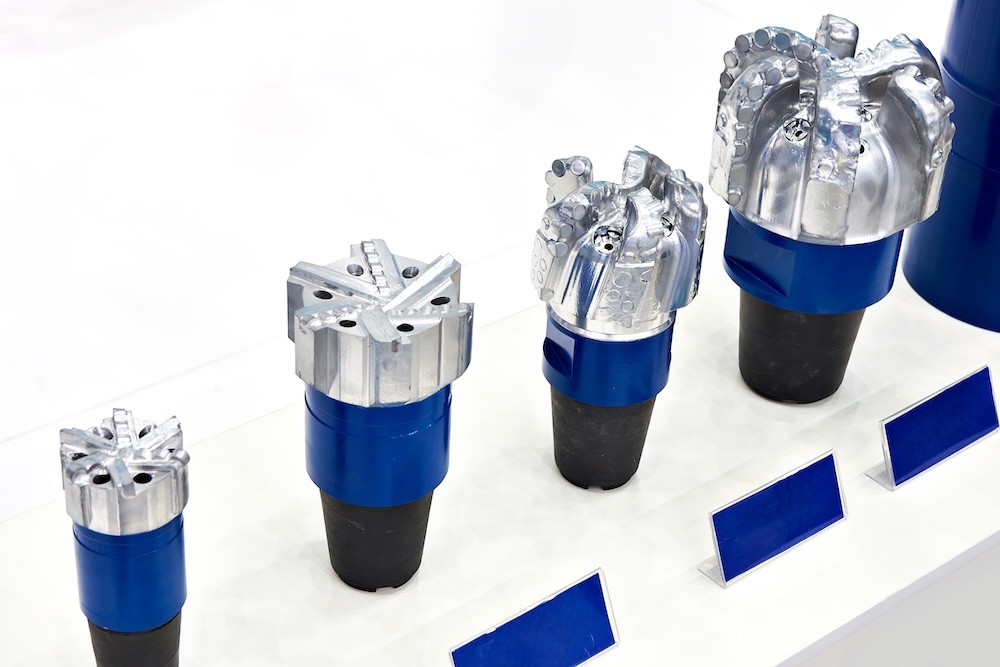
Champion Chisel Works supplies professional-grade drilling tools designed for heavy-duty applications. Based in Rock Falls, Illinois, Champion Chisel manufactures and distributes demolition tools, pneumatic steel, and drilling equipment used by contractors, rental companies, and industrial crews throughout North America. Their lineup includes durable rock drill steel and compatible drilling bits built to perform in challenging conditions.
When purchasing a rock drill bit or rock drill steel, working with a specialized supplier can make a significant difference. A knowledgeable supplier can help match the correct bit design, steel length, and cutting diameter to the equipment being used and the material being drilled. This ensures the drilling system performs efficiently and reduces unnecessary wear on both the tool and the equipment.
Choosing the right rock drill bit, selecting durable rock drill steel, and understanding the correct rock drill bit sizes for your application are all essential steps toward efficient drilling. With the right tools and a dependable supplier, contractors can complete difficult rock drilling jobs faster, safer, and with greater confidence in the performance of their equipment.
| Contact Us | Shop All Tools |