
Rotary Hammer vs Demolition Hammer: Which Tool Is Right for Your Project?
What Makes Rotary Hammers and Demolition Hammers Different?
The fundamental difference between rotary hammers and demolition hammers lies in their primary function and mechanism. Rotary hammers combine rotational drilling with percussive hammering action, making them ideal for creating clean, precise holes in concrete, brick, and stone. Demolition hammers, also called breaker hammers, deliver straight percussive blows without rotation, designed specifically for breaking up materials.
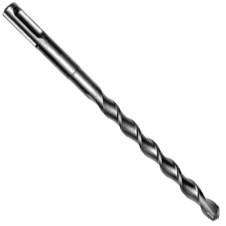
Rotary hammers use a pneumatic piston system that creates rapid hammer blows while the chuck rotates, allowing specialized masonry bits to drill efficiently through tough materials. The hammer mechanism reduces the physical effort required from the operator while maintaining drilling precision.
Demolition hammers focus entirely on impact force, using larger pistons and heavier mechanisms to generate maximum breaking power. They accept chisel attachments, point chisels, and flat chisels designed to fracture and remove concrete, tile, and other materials.
When Should You Choose a Rotary Hammer?
Rotary hammers are your go-to tool for installation and construction projects requiring precise holes in masonry materials. These versatile tools excel in several specific applications:
- Installing anchor bolts and concrete fasteners
- Drilling holes for electrical conduit and plumbing penetrations
- Creating precise openings for rebar placement
- Installing concrete screws and masonry anchors
- Drilling pilot holes for larger core bits
- Light chiseling work with appropriate attachments
Rotary hammers typically range from 1/2 inch to 2 inches in drilling capacity, with larger models handling up to 6-inch holes using specialized bits. The SDS (Slotted Drive Shaft) chuck system allows quick bit changes without additional tools, increasing job site efficiency.
Key specifications to consider
- Impact energy: 1.5 to 20 foot-pounds
- Drilling capacity: 1/2" to 2" in concrete
- Weight: 5 to 25 pounds
- Power source: corded electric, cordless battery, or pneumatic
When Does a Demolition Hammer Make More Sense?
Demolition hammers shine when your project involves breaking down rather than building up. These powerful tools handle heavy-duty destruction tasks that would overwhelm a rotary hammer:
- Removing concrete slabs and foundations
- Breaking up asphalt and pavement
- Demolishing tile and stone surfaces
- Trenching through concrete floors
- Removing mortar joints in masonry walls
- Breaking apart large concrete structures
The key advantage of demolition hammers is their single-minded focus on impact force. Without the complexity of rotational mechanisms, all the tool’s energy goes into percussive power. This results in faster material removal and less operator fatigue on large demolition projects.
Power and Performance Specifications Comparison
Understanding the technical specifications helps you match the right tool to your specific job requirements. Here’s how these tools stack up across key performance metrics:
| Specification | Rotary Hammer | Demolition Hammer |
|---|---|---|
| Primary Action | Hammer + Rotation | Impact Only |
| Impact Energy | 1.5–20 ft-lbs | 15–75 ft-lbs |
| Blows per Minute | 4,000–5,500 BPM | 1,400–3,000 BPM |
| Weight Range | 5–25 lbs | 15–60 lbs |
| Chuck Type | SDS / SDS-Max | Hex Shank |
| Drilling Capacity | 1/2"–6" concrete | N/A |
| Best Applications | Precision holes | Material removal |
| Typical Price | $150–$800 | $200–$1,500 |
The impact energy measurement tells the most important story. Demolition hammers deliver 3–4 times more impact force per blow, but at a slower rate. This combination proves more effective for breaking apart materials rather than drilling through them.
How Do Operating Costs Compare Between These Tools?
Operating costs extend beyond the initial purchase price, encompassing maintenance, consumables, and productivity factors that impact your bottom line.
Rotary hammers typically cost less to operate daily due to:
- Lower power consumption (5–15 amps vs 15–20 amps)
- Less expensive drill bits and accessories
- Reduced physical strain on operators
- Faster completion of drilling tasks
- Lower maintenance requirements
Demolition hammers involve higher operating costs but justify the expense through:
- Faster material removal rates
- Reduced labor hours on demolition projects
- Ability to handle tasks impossible for smaller tools
- Durability in harsh demolition environments
Consider the total cost per project rather than just tool price. A $400 rotary hammer that completes anchor installation in 2 hours beats a $200 alternative that takes 4 hours when you factor in labor costs.
What Safety Considerations Apply to Each Tool Type?
Both tool types require specific safety protocols, but their different operating characteristics create distinct hazard profiles.
Rotary hammer safety focuses on:
- Eye protection from concrete dust and chips
- Hearing protection during extended use
- Proper bit selection to prevent binding
- Secure workpiece clamping
- Awareness of electrical and plumbing behind walls
Demolition hammer safety requires additional precautions:
- Full face shields due to larger debris
- Steel-toed boots and leg protection
- Dust masks or respirators for silica exposure
- Proper lifting techniques due to tool weight
- Structural assessment before removing load-bearing elements
- Vibration exposure monitoring for operator health
Which Attachments and Accessories Do You Need?
The right attachments maximize your tool investment and expand application versatility.
Essential rotary hammer accessories:
- SDS masonry bits (various diameters)
- Carbide-tipped concrete bits
- Point and flat chisels for light demolition
- Core bits for large diameter holes
- Depth stops for consistent hole depths
- Vacuum attachments for dust control
Critical demolition hammer attachments:
- Point chisels for precision breaking
- Flat chisels for surface removal
- Scaling chisels for coating removal
- Trenching chisels for narrow cuts
- Bushing tools for surface texturing
- Clay spades for tile removal
Invest in quality attachments from reputable manufacturers. Cheap chisels and bits break frequently, creating safety hazards and increasing project costs. Champion Chisel stocks premium attachments designed for professional use and extended tool life.
Frequently Asked Questions
Can a rotary hammer replace a demolition hammer for small demolition jobs?
Rotary hammers can handle light chiseling and small demolition tasks using appropriate chisel attachments, but they lack the impact force needed for efficient concrete breaking. For jobs requiring more than occasional light chiseling, a dedicated demolition hammer will complete the work faster and with less tool wear.
What’s the maximum concrete thickness each tool can handle effectively?
Rotary hammers efficiently drill through concrete up to 12–18 inches thick depending on the model and bit quality. Demolition hammers can break concrete of virtually any thickness, but efficiency decreases in slabs over 6 inches thick without proper technique and adequate impact energy (25+ ft-lbs).
Do I need different power sources for rotary vs demolition hammers?
Both tools are available in corded electric, battery, and pneumatic versions. Corded electric provides consistent power for both applications. Large demolition hammers often require 20-amp circuits or pneumatic power, while most rotary hammers operate on standard 15-amp household circuits.
How do I prevent premature bit and chisel wear?
Use proper technique with steady, moderate pressure — let the tool do the work rather than forcing it. Keep bits sharp and properly lubricated, match bit hardness to material type, and avoid side loading on drill bits. Replace worn attachments immediately as they increase vibration and reduce efficiency.
Which tool is better for overhead work?
Rotary hammers are significantly better for overhead drilling due to their lighter weight (5–25 lbs vs 15–60 lbs for demolition hammers) and more precise control. Demolition hammers become extremely fatiguing for overhead use and pose greater safety risks due to their weight and power.
|
2M+
Chisels Forged
|
50M+
Lbs US Steel
|
2,400+
Customers Worldwide
|
Choose the right hammer for your next project with confidence. Champion Chisel’s experienced team provides expert tool selection advice and stocks premium rotary hammers, demolition hammers, and professional-grade attachments. Contact Champion Chisel today for personalized recommendations and competitive pricing on the tools that keep your projects moving forward.
| Contact Us | Shop All Tools |