
SDS Max vs Spline Drive: Which Shank System Should You Be Running on Heavy Concrete Breaking Jobs

What Separates SDS Max and Spline Drive Systems at the Engineering Level
SDS Max uses a standardized bayonet-style shank with three open slots that lock into compatible rotary hammers, allowing the bit to slide axially during the hammering cycle while remaining rotationally locked to the tool. This controlled movement is part of what makes the system efficient — the hammer mechanism drives energy into the bit without the operator’s grip absorbing all of that impact. The SDS Max standard was developed to scale up the SDS Plus concept for larger, more powerful hammer drills, and it has become widely adopted across the industry for rotary hammers in the heavier duty class.
Spline drive, sometimes called spline or rotary drive, uses a different engagement system entirely. The shank is machined with longitudinal splines around its circumference that mesh with a matching collar inside the tool chuck. This creates a secure rotational lock while still allowing the axial float that hammering requires. Spline drive shanks and SDS Max shanks look different, fit different chucks, and are not interchangeable — running the wrong steel into the wrong tool is not a workaround that exists in the field. For a closer look at that comparison, see When to Use Spline Drive vs Rotary Drive Bits.
Both systems are built for heavy-duty work that goes well beyond what SDS Plus is designed to handle. The distinction between them is largely one of tool platform rather than raw capability. A contractor who runs a spline drive hammer is not at a disadvantage compared to one running SDS Max — both systems handle serious concrete breaking work — but the steel must match the machine. Champion Chisel manufactures both SDS Max tools and spline or rotary drive tools, stocked and available for direct order at championchisel.com, so contractors running either platform can get the chisels and drill steel they need without sourcing from multiple suppliers.
How Job Site Conditions Should Influence Your Shank Choice
The shank system you run is primarily determined by your hammer, not by the concrete. That said, understanding how concrete conditions interact with your tool selection matters when you are specifying equipment for a job or deciding whether your current platform is being pushed beyond its design range.
Thicker slabs, heavily reinforced concrete, and aggregate with significant hardness all put sustained stress on the chisel and the hammer. In these conditions, energy transfer efficiency becomes the dominant factor. Both SDS Max and spline drive systems are engineered to handle this kind of work, but the specific chisel geometry — moil point, flat chisel, scaling chisel, wide flat — has more influence on how quickly you get through hard aggregate than the shank type does. A moil point concentrates force into a tight area and is effective for initiating breaks in hard material, while a flat chisel moves more material once a break has started.
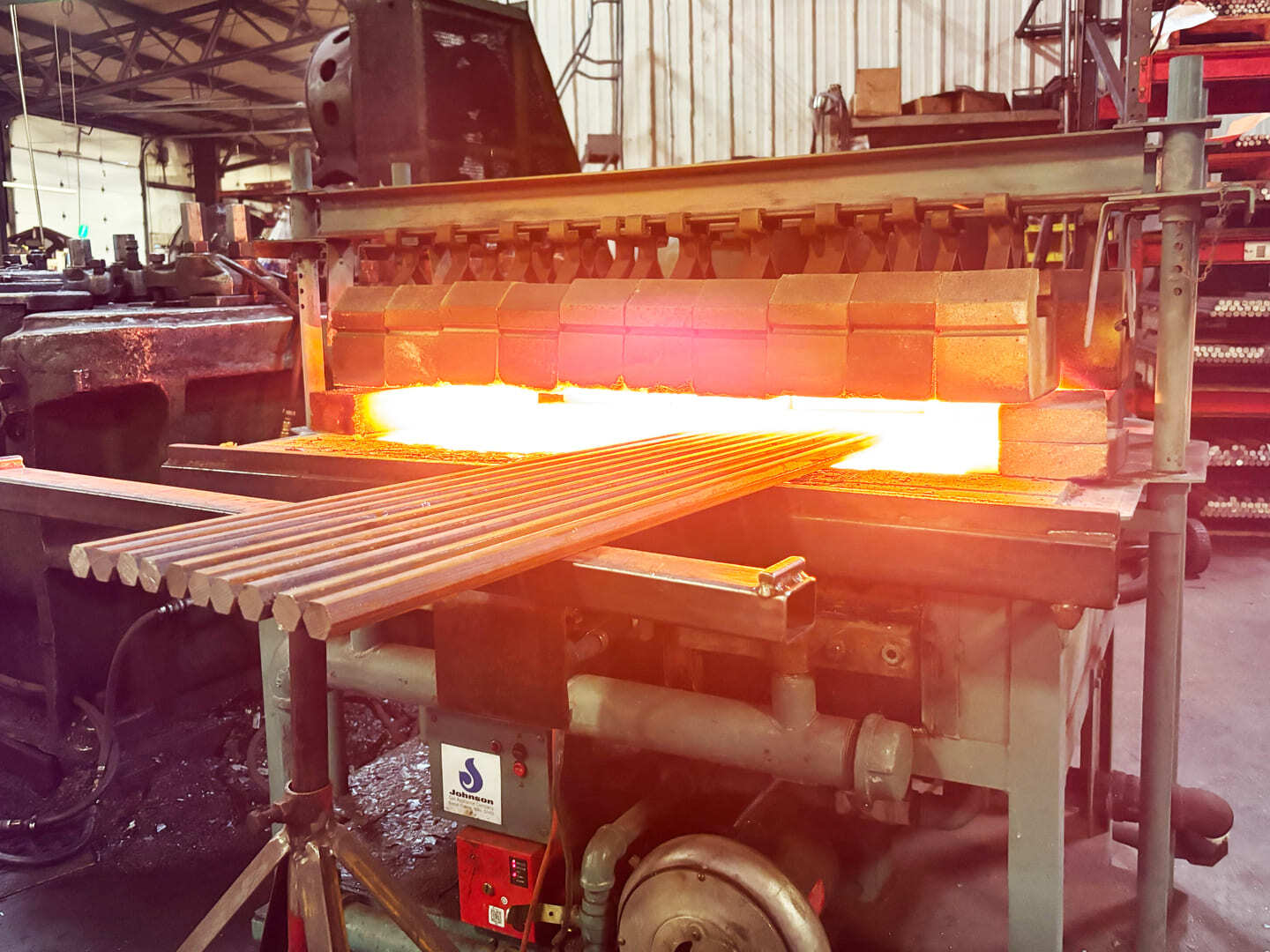
Hot weather construction work introduces another variable. Chisels running hard all day in summer heat generate significant friction at the shank, and the quality of the steel matters more than most contractors appreciate until they start seeing premature wear or shank damage. Our post on road construction and hot weather tool performance covers this in more detail. Champion Chisel’s forged demolition tool line is built for this kind of sustained use, and contractors working in demanding conditions — whether they are breaking pavement on a road project or demoing thick foundation slabs — consistently find that tool quality makes a measurable difference in how long a chisel lasts through a shift.
Concrete with large, hard aggregate, such as trap rock or granite, will wear chisel tips faster than concrete mixed with softer aggregate. This is worth factoring into your steel order, particularly on longer jobs. Ordering adequate quantities upfront avoids downtime waiting for replacements mid-project, and Champion Chisel ships nationwide with free shipping on orders over $100.
Compatibility: Making Sure Your Steel Matches Your Hammer
Shank compatibility is not a gray area. Running a spline drive chisel in an SDS Max chuck, or attempting the reverse, is not physically possible with a properly functioning tool — the shanks simply will not seat. Where errors actually happen in the field is more subtle: ordering the wrong shank type when purchasing new steel, or confusing spline drive with other hex or specialized shank systems.
Champion Chisel’s catalog covers a wide range of electric demolition hammer steel beyond just SDS Max and spline drive. The lineup includes 7/8-inch hex demo tools that fit specific Hilti models, 1-1/8-inch hex with notch tools designed for Bosch Brute style hammers, SDS Plus tools for lighter rotary hammers, the 1-1/8-inch hex quick connect for Hilti 3000 style tools, Makita 8900N style 30mm tools, 3/4-inch hex demo tools, and other specialized shanks. Each of those is a distinct, non-interchangeable system. Before placing a steel order, confirming the exact shank specification of your hammer — not just the brand name — is essential.
Manufacturer documentation is the authoritative source for shank specifications. The Hilti technical documentation library and equivalent resources from other hammer manufacturers list accepted shank types for each model. Cross-referencing your hammer model against that data before ordering prevents the frustration of receiving the right product for the wrong tool.
For contractors who are building out a new tool package or specifying steel for a fleet of hammers across a job site, Champion Chisel can be reached directly at 800-239-1434. Speaking with someone who works with this catalog every day is the fastest way to confirm you are ordering the correct shank for your equipment.
Which Applications Favor SDS Max and Which Are Built for Spline Drive
In practice, SDS Max has become the more widely distributed shank system in the professional rotary hammer market, which means more tool options and more aftermarket steel availability across the industry. If a contractor is starting from scratch and selecting a rotary hammer platform for heavy concrete breaking, they will encounter SDS Max tools from a broad range of manufacturers. This wide adoption has made SDS Max the default assumption for rotary hammer demolition work in many parts of the construction industry.
Spline drive retains a strong following among contractors who have built their equipment inventory around spline drive hammers and prefer the mechanical engagement characteristics of that system. Crews doing sustained heavy breaking on thick slabs, bridge deck demolition, or foundation work often have specific reasons for staying with spline drive, and the shank system continues to be actively manufactured and supported. Champion Chisel’s spline or rotary drive tools category reflects this ongoing demand.
When it comes to specific applications, both shank systems support the same range of chisel types: moil points for initiating breaks, flat chisels for horizontal breaking and prying material apart, scaled chisels for surface work, and specialty forms for particular demo tasks. The chisel geometry is the job-specific decision; the shank is the machine-specific decision. A demolition crew breaking a thick reinforced concrete floor will select their chisel based on the concrete and the work sequence, then order the correct shank to match whatever hammers are on that site.
For drilling applications, Champion Chisel also manufactures hammer drill masonry bits in both SDS Max and spline or rotary drive configurations, including single tip and quad tip options. The Ultimate Guide to Spline or Rotary Shank Masonry Drill Bits covers the drilling side of spline drive applications in depth. Understanding how the same shank system transitions between breaking steel and drill bits is useful for crews who use their hammers in both demolition and drilling modes on the same project.
The broader context of selecting between rotary hammer tools and dedicated demolition hammers also matters here. Rotary Hammer vs Demolition Hammer: Which Tool is Right for Your Project addresses the tool selection question at the equipment level, which is a useful starting point if you are still in the process of specifying what goes on a job site before the steel decision comes into play.
Champion Chisel Works, located at 804 E 18th St, Rock Falls, IL 61071, manufactures and ships professional-grade demolition steel in both SDS Max and spline drive configurations. As of 2026, contractors across the country rely on Champion Chisel’s direct-to-buyer model to keep their tool inventory stocked without distributor markups or supply chain delays.
Frequently Asked Questions
Can I use SDS Max steel in a spline drive hammer or vice versa?
No. SDS Max and spline drive are distinct shank systems with different geometries, and the steel is not interchangeable between them. Attempting to seat an SDS Max shank in a spline drive chuck will not work mechanically. Before ordering replacement steel or new chisels from Champion Chisel, confirm the exact shank type your hammer requires — not just the brand — to ensure the steel you receive fits your equipment correctly.
Which system is better for breaking thick reinforced concrete slabs?
Both SDS Max and spline drive are capable of handling heavy reinforced concrete breaking when paired with the appropriate hammer and chisel type. The shank system should be chosen based on your hammer platform, not the concrete. The chisel geometry — moil point for initiating breaks, flat chisel for moving material — and the power class of the hammer have more direct influence on performance in thick or heavily reinforced concrete than the choice between SDS Max and spline drive. Champion Chisel manufactures chisels in both shank systems and can help you specify the right chisel type for your application.
Does Champion Chisel carry both SDS Max and spline drive demolition steel?
Yes. Champion Chisel Works carries a full range of electric demolition hammer steel in both SDS Max and spline or rotary drive configurations, along with a broad selection of other shank systems including various hex sizes and brand-specific fits. The full catalog is available at championchisel.com, and the team can be reached at 800-239-1434 to help confirm compatibility before ordering.
Are there masonry drill bits available in spline drive for rotary hammers used in both drilling and breaking?
Yes. Champion Chisel manufactures hammer drill masonry bits in spline or rotary drive configurations, including both single tip and quad tip options. Contractors who use their spline drive hammers for both drilling operations and concrete breaking can source both the drill bits and the demolition chisels from Champion Chisel, keeping their tool supply consolidated through a single direct manufacturer.
What is the fastest way to confirm which shank my demolition hammer takes before ordering steel?
The most reliable method is to check the hammer manufacturer’s documentation for your specific model number, which will list the accepted shank type. For Hilti hammers, for example, the shank specification is model-specific and not consistent across the entire Hilti lineup. If you have any uncertainty after checking documentation, calling Champion Chisel directly at 800-239-1434 is a practical option — the team works with this catalog daily and can help you match steel to your equipment before the order ships.
|
2M+
Chisels Forged
|
50M+
Lbs US Steel
|
2,400+
Customers Worldwide
|
If you are running SDS Max or spline drive hammers and need demolition steel that performs under sustained heavy use, Champion Chisel Works has both systems in stock and ready to ship. Browse the full SDS Max product category page and spline or rotary drive tools category page at championchisel.com, and take advantage of free shipping on orders over $100. For questions about compatibility or to confirm the right shank for your hammer before ordering, call the team at 800-239-1434. Champion Chisel Works is located at 804 E 18th St, Rock Falls, IL 61071 and ships professional-grade demolition tools to contractors nationwide.
| Contact Us | Shop All Tools |