
When to Use Spline Drive vs Rotary Drive Bits: Understanding Masonry Drilling Applications
Understanding Drive System Differences
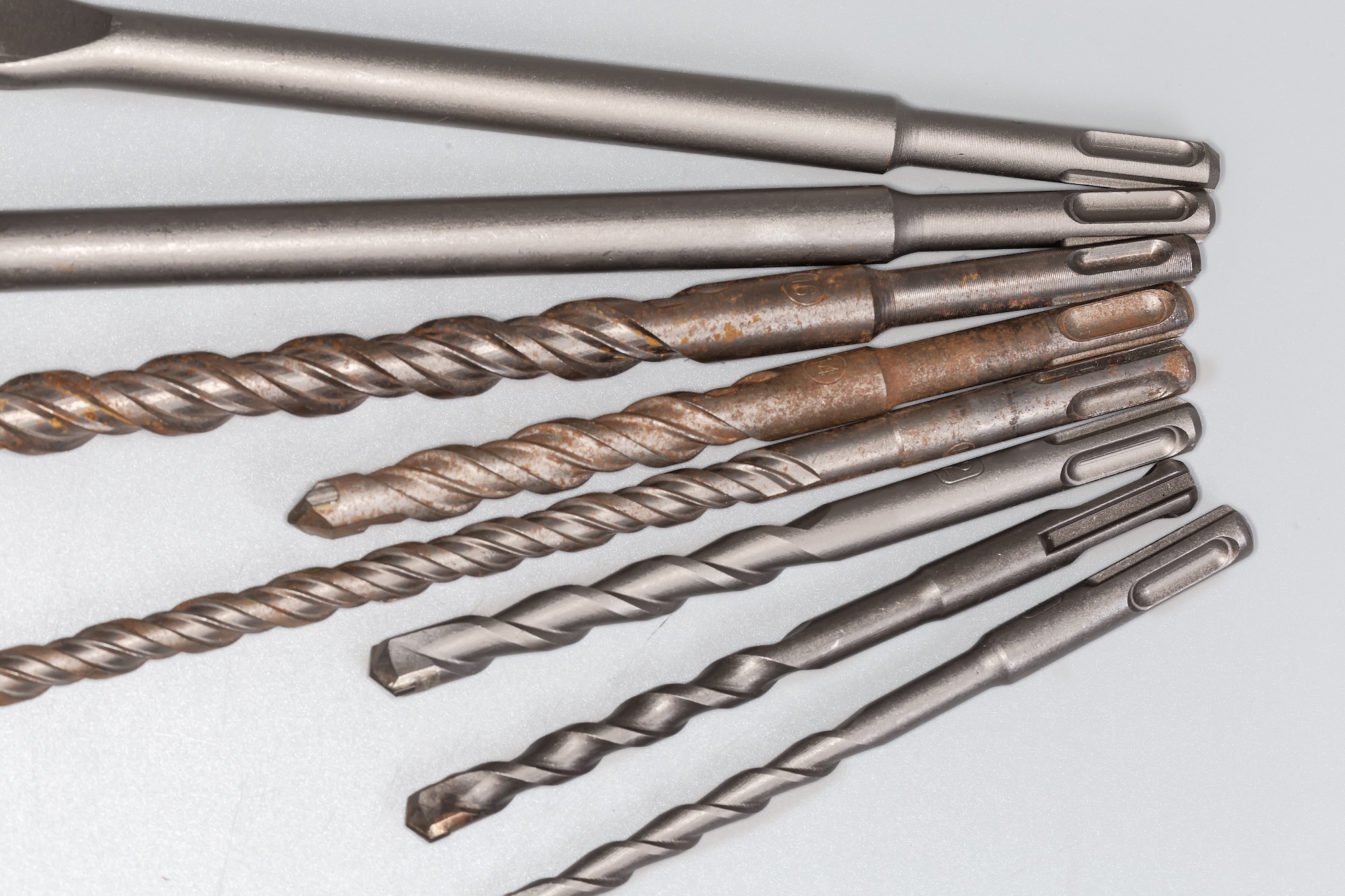
The fundamental difference between spline drive and rotary drive bits lies in how they connect to and transfer power from the rotary hammer. Spline drive systems use longitudinal grooves along the bit shank that lock into corresponding slots in the hammer chuck. This mechanical connection prevents any slippage between the bit and hammer during operation, ensuring every ounce of rotational force gets transmitted directly to the cutting head.
Rotary drive systems, by contrast, rely on smooth shaft rotation with the bit held in place by the chuck’s gripping force. The bit rotates continuously within the chuck mechanism, which works well for standard drilling applications but can experience slippage under extreme loads or when drilling through particularly dense materials. For a deeper breakdown of these two drive types, see our comprehensive guide to spline and rotary systems.
Champion Chisel Works manufactures both spline and rotary drive masonry bits from their facility at 804 E 18th St, Rock Falls, IL 61071, with each system engineered for specific drilling demands that contractors face daily. The spline system’s positive engagement makes it the preferred choice for heavy-duty applications where maximum torque transfer is critical.
The mechanical advantages become apparent under load. Spline bits maintain consistent cutting speed even through reinforced concrete or natural stone because the grooved connection cannot slip. Rotary bits may experience speed variations as the chuck grips tighter or looser depending on drilling resistance, which can affect hole quality and drilling efficiency.
Masonry Applications for Each Drive Type
Spline drive bits excel in applications requiring sustained heavy drilling through dense masonry materials. Foundation work involving thick concrete walls, drilling anchor holes in reinforced concrete structures, and creating openings through concrete block walls all benefit from the spline system’s superior torque transmission. The positive mechanical connection prevents the bit from stalling even when encountering rebar or aggregate within the concrete.
Core drilling represents another area where spline drive bits demonstrate clear advantages. Large diameter holes through structural concrete demand consistent power delivery without interruption. Champion Chisel’s spline fluted core bits maintain steady cutting progress through varied concrete densities because the drive system cannot slip under the substantial resistance these operations generate.
Rotary drive bits serve well in lighter masonry applications where drilling speed matters more than maximum torque capacity. Installing electrical boxes in concrete block, drilling pilot holes for masonry anchors, and general maintenance drilling through brick or lightweight concrete block represent ideal rotary drive applications. To understand how these shanks relate to modern hammer chucks, review our overview of SDS drill bits and rotary hammer applications. The smooth rotation allows for faster penetration rates in these less demanding materials.
Mixed material drilling often favors rotary systems when contractors encounter alternating layers of different materials. Drilling through brick veneer into wood framing, or penetrating stucco over metal lath, benefits from the rotary system’s ability to adapt to varying resistance levels without the aggressive engagement that spline bits provide.
Tool Compatibility and Safety Considerations
Hammer compatibility varies significantly between spline and rotary drive systems, making proper matching critical for both performance and safety. Spline drive bits require hammers with spline chucks, which feature the internal grooves necessary to engage the bit’s splined shaft. Attempting to use a spline bit in a rotary chuck will result in poor performance and potential safety hazards.
Champion Chisel Works stocks spline drive bits specifically designed for major hammer brands that use this system. The bits must match both the spline profile and the shank diameter to ensure proper engagement. Using an incorrect spline configuration can cause the bit to bind in the chuck or fail to engage properly, creating dangerous operating conditions. Proper masonry drilling equipment selection starts with confirming your hammer’s drive system before ordering bits.
Rotary drive compatibility centers on chuck size and gripping capacity rather than mechanical engagement features. These systems rely on the chuck’s clamping force to hold and rotate the bit, so proper shank diameter matching becomes critical. An undersized bit shank may slip during operation, while an oversized shank won’t fit properly in the chuck mechanism.
Safety protocols differ between the two systems due to their engagement methods. Spline bits lock positively into the hammer, requiring deliberate chuck operation to remove them. This prevents accidental bit ejection but means operators must ensure complete chuck release before attempting bit changes. Rotary bits depend on chuck tension, so operators should verify secure gripping before beginning drilling operations and check periodically during extended use to prevent loosening.
Performance Benefits in Different Materials
Concrete drilling reveals the most dramatic performance differences between spline and rotary drive systems. High-strength concrete with aggregate content above 3000 PSI creates substantial drilling resistance that can overwhelm rotary drive connections. The smooth shaft of rotary bits may slip within the chuck as resistance increases, leading to reduced drilling speed and inconsistent hole quality.
Spline drive bits maintain constant engagement regardless of drilling resistance, making them the preferred choice for structural concrete applications. The mechanical connection transfers full hammer power to the cutting head throughout the drilling process, resulting in faster penetration rates and cleaner holes even through the hardest concrete mixes.
Natural stone drilling presents unique challenges that favor different drive systems depending on stone characteristics. Dense granite, marble, or quartzite require the maximum torque transfer that only spline systems provide effectively. The Concrete Sawing and Drilling Association recognizes spline drive technology as essential for professional masonry drilling in demanding applications.
Brick and block masonry allow both systems to perform adequately, but application specifics determine the optimal choice. Precision drilling for architectural restoration work often benefits from rotary systems’ smoother operation, which reduces vibration transmission to surrounding masonry. Production drilling for utility installations typically favors spline systems’ faster penetration rates.
Reinforced concrete represents the ultimate test for drive system performance. Encountering rebar during drilling creates sudden resistance spikes that can cause rotary bits to bind or slip. Spline bits power through rebar encounters without losing engagement, maintaining drilling progress where rotary systems might stall or require hammer repositioning.
Frequently Asked Questions
Can I use spline drive bits in rotary hammer chucks?
No, spline drive bits require hammers with matching spline chucks that have internal grooves to engage the bit’s splined shaft. Champion Chisel Works manufactures spline bits specifically matched to compatible hammer models, and using them in rotary chucks will result in poor performance and potential safety hazards.
Which drive system works better for core drilling applications?
Spline drive systems excel in core drilling applications because they maintain consistent torque transfer through large diameter cuts in concrete. Champion Chisel stocks spline fluted core bits that provide superior performance in demanding coring applications where rotary systems might experience slippage under heavy loads.
Do rotary drive bits drill faster than spline drive bits?
Rotary drive bits can achieve faster drilling speeds in lighter masonry materials like brick or concrete block, but spline drive bits typically penetrate faster through dense concrete because they maintain consistent power transfer without slippage. Champion Chisel Works can help contractors choose the right drive system based on their specific drilling applications.
How do I know if my hammer uses spline or rotary drive?
Check your hammer’s chuck mechanism for internal grooves, which indicate spline drive capability, or smooth internal surfaces for rotary drive systems. Champion Chisel Works at 800-239-1434 can help identify your hammer’s drive system and recommend compatible masonry bits for your specific model.
Are spline drive bits more expensive than rotary drive bits?
Spline drive bits typically cost more due to their specialized manufacturing requirements and superior performance capabilities in demanding applications. Champion Chisel Works offers professional-grade spline and rotary drive bits with free shipping on orders over $100, providing contractors with cost-effective solutions for their masonry drilling needs.
|
2M+
Chisels Forged
|
50M+
Lbs US Steel
|
2,400+
Customers Worldwide
|
Choose the right drive system for your masonry drilling applications with professional-grade bits from Champion Chisel Works. Browse our complete selection of spline and rotary drive masonry bits at championchisel.com or call 800-239-1434 for technical assistance. Free shipping on orders over $100 helps contractors nationwide access the drilling tools they need.
| Contact Us | Shop All Tools |