
Why Your Demolition Chisels Wear Faster in Summer and How to Slow It Down
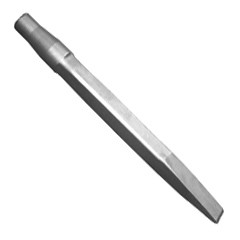
How High Ambient Temperatures Affect Steel Hardness and Edge Retention
Heat is the primary enemy of edge retention in demolition steel, and summer job sites concentrate that problem in ways that are easy to underestimate. The steel in a concrete demolition chisel is heat-treated during manufacturing to achieve a specific hardness at the tip, which is what allows it to fracture concrete without deforming. When the working end of that chisel absorbs enough heat through repeated impact, the steel at the very tip can begin to lose that hardness through a process metallurgists call thermal softening. The result is a tip that rolls over, mushrooms, or rounds off far sooner than it would on a cooler day.
On a 95-degree afternoon in July, a chisel working against cured concrete starts with a disadvantage that simply does not exist in October. The ambient temperature raises the baseline thermal load before the first strike lands. Every impact generates additional friction heat at the contact point, and the steel has less thermal headroom before it starts to soften. Contractors running sustained production schedules in summer often notice their chisels dulling noticeably faster in peak heat hours compared to early morning work, even on the same material. That observation is not imagined. The physics support it.
The American Iron and Steel Institute recognizes that steel alloys behave differently across temperature ranges, and the hardness values achieved during heat treatment are calibrated for operating conditions that assume reasonable heat dissipation. When a chisel tip cannot shed heat between strikes, the cumulative thermal load climbs in ways that factory tempering cannot fully compensate for. Understanding this is the first step toward managing it rather than just buying more chisels.
How Continuous Use Cycles Accelerate Chisel Tip Degradation
Thermal softening does not happen from a single strike. It builds over repeated impact cycles when the steel never gets a chance to cool down. A pavement breaker running a 1-1/8 inch hex notch chisel through a full afternoon of concrete removal is generating heat with every blow, and if that tool never rests between passes, the tip temperature climbs steadily. This is a different failure mode than simply using the wrong chisel profile, and it is responsible for a lot of premature wear that crews mistakenly attribute to inferior steel.
The problem compounds in summer because even the rest periods between passes provide less cooling relief. A chisel set down on hot pavement in direct sun at noon in Illinois does not cool the way the same chisel would on a shaded concrete slab in September. The ground itself radiates heat back into the tool. Crews working road jobs or parking lot demolition have almost no access to cool surfaces for a chisel to shed heat into, which means continuous use cycles in July are genuinely harder on steel than the same cycle count would be in spring.
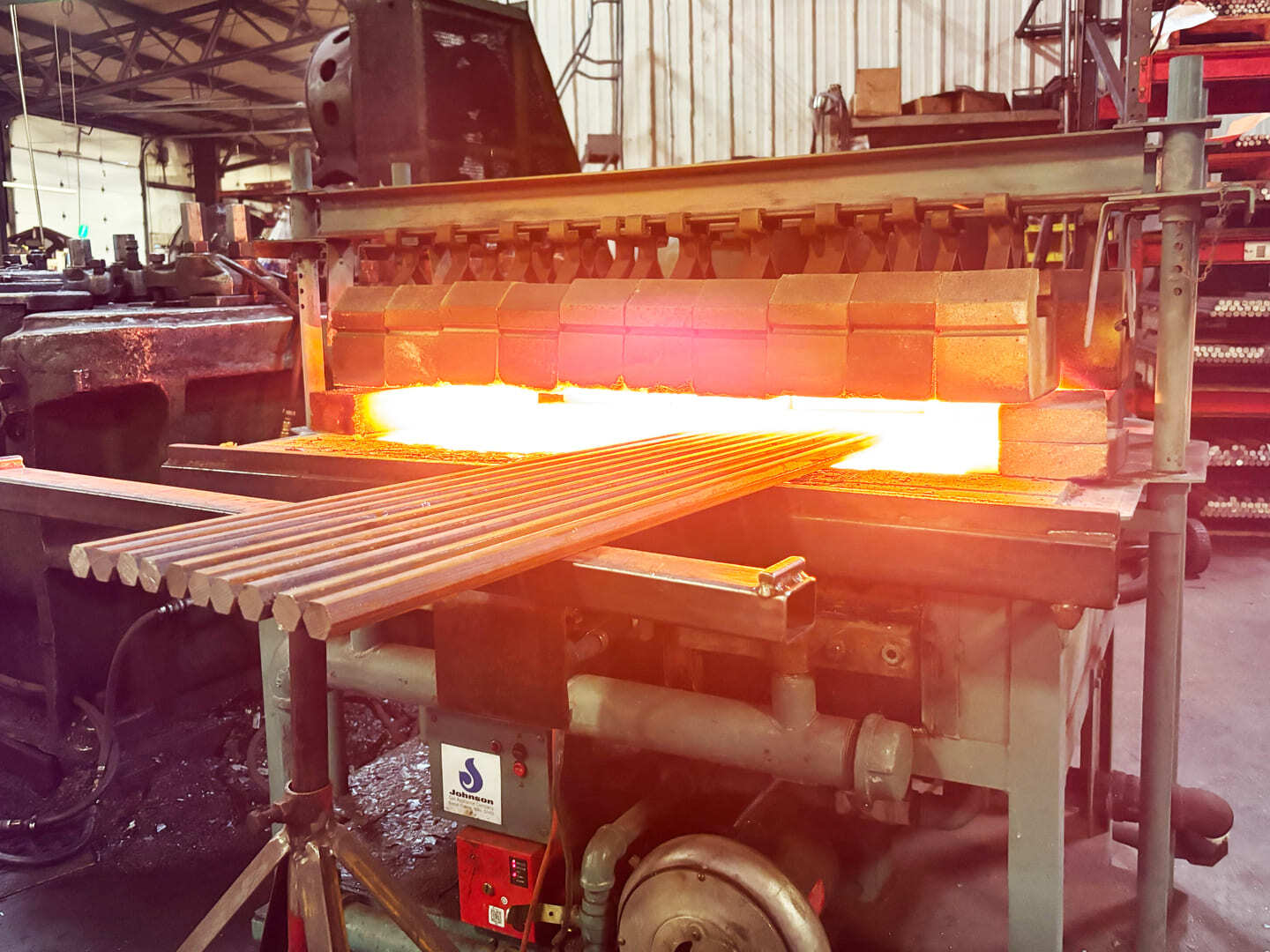
Champion Chisel engineers its demolition steel for professional use, meaning the alloys and heat treatment processes used in products like its SDS Max demolition chisels and heavy-duty pavement breaker steel are selected for durability under sustained load. But even the best steel has physical limits, and the contractors who get the most life out of their chisels are the ones who understand that rotating tools through a short rest cycle in peak heat hours is not a production slowdown, it is a materials management decision. Running two chisels in rotation rather than one continuously is one of the simplest ways to reduce thermal accumulation without changing a single other thing about how a crew works.
For more context on maintaining performance in high-heat road work conditions, the existing Champion Chisel guide on Road Construction and Hot Weather Tool Performance covers related ground worth reviewing alongside this topic.
Matching the Right Chisel Profile So the Steel Does Less Work in the Heat
One of the most overlooked contributors to accelerated chisel wear in summer is mismatched tooling. Using a flat chisel where a moil point or narrow chisel would work more efficiently forces the steel to move more material per strike, which generates more heat and more contact wear simultaneously. When ambient temperatures are already stressing the tool, that compounding effect shortens service life faster than either factor would alone.
Profile selection matters most when the concrete or pavement being broken is dense or heavily cured. Aged concrete that has been in place for decades requires more energy per strike to fracture than fresh material. Running a wide flat chisel through that material on a hot afternoon is asking the steel to do maximum work under maximum thermal stress. A narrow chisel or moil point concentrates the impact force into a smaller area, initiates fracture more efficiently, and produces less sliding friction heat at the tip. The steel still works hard, but it works smarter.
Champion Chisel carries a full range of chisel profiles across multiple shank systems specifically so contractors can match the geometry to what they are breaking. The SDS Max and spline drive lines include moil points, narrow chisels, and flat chisels designed for different material removal applications. The 7/8 inch hex demolition tools sized for Hilti hammers similarly cover multiple tip geometries. Getting the right profile on the machine before a summer pour or demolition run is one of the highest-return decisions a crew makes before the first strike.
The same principle extends to pavement breaker steel. The heavy-duty pavement breaker steel Champion Chisel manufactures covers shank sizes from 7/8 inch by 3-1/4 inch hex up through 1-1/4 inch by 6 inch hex. Matching the mass and profile of the chisel to the scale of the job is not just about productivity. In summer heat, it is about managing thermal load across the tool so the steel performs through a full shift rather than degrading by midday. The Construction Industry Training Board has documented how tooling selection directly affects both productivity and equipment longevity on heavy demolition sites, a principle that applies regardless of climate zone.
Practical Steps to Extend Chisel Life in July Without Slowing Production
The most effective adjustments cost nothing and require no additional equipment. Rotating two chisels through a single hammer, as mentioned earlier, allows each tool a recovery window between use cycles. Even a five-minute rest while a second chisel works can meaningfully reduce peak tip temperature over a full shift. Crews that resist this approach often find themselves sharpening or replacing tools at double the rate of crews that build rotation into their workflow.
Scheduling the heaviest concrete demolition work for early morning in July is not always possible, but when it is, it pays off in tool life and crew comfort simultaneously. The concrete surface temperature at 7 a.m. is substantially lower than at 1 p.m., which means the ambient thermal environment at the chisel contact point starts lower and climbs more slowly. Production rates are often better in morning hours for this reason, and the chisels reflect it.
Keeping tools out of direct sunlight between uses sounds trivial, but a chisel sitting on blacktop in direct sun reaches temperatures that affect how quickly it reheats under load. Storing tools in a shaded toolbox or keeping them off the pavement surface while not in active use costs nothing and reduces the baseline temperature each tool starts its next use cycle from.
Lubrication is another simple lever. Air-powered tools like the pavement breakers and chipping hammers in Champion Chisel’s lineup benefit from proper in-line oiling that reduces friction heat at the retainer and shank interface. That heat is separate from the tip contact heat, but it contributes to the overall thermal condition of the tool during use. Maintaining oilers and using appropriate lubricants as part of daily air tool setup keeps friction-related heat accumulation from adding to the problem.
Finally, inspect tips at the end of each shift rather than waiting until a chisel fails mid-job. Catching tip rollover early, before a mushroomed edge starts working against the rock rather than into it, prevents the kind of compounding wear that turns a manageable situation into a full replacement. Champion Chisel manufactures its demolition tools at its Rock Falls, IL facility and ships direct to contractors nationwide, so restocking a worn chisel line before the next job starts is straightforward. Reach the team at 800-239-1434 or visit championchisel.com to review the full product catalog.
For a deeper look at picking the correct chisel geometry before a job begins, the existing Champion Chisel post on How to Pick the Right Demolition Chisel for Your Next Job is a solid companion read to the heat management principles covered here.
Frequently Asked Questions
Why do my demolition chisels wear out faster in summer than in cooler months?
The primary reason is thermal softening. Demolition chisels are hardened at the tip during manufacturing, and that hardness has limits under sustained heat. In summer, high ambient temperatures combine with the friction heat generated by each impact strike, pushing tip temperatures higher faster and leaving the steel less time to recover between use cycles. Champion Chisel builds its demolition steel for professional, sustained-use conditions, but no chisel is immune to the physics of heat accumulation when ambient temperatures are already elevated.
Does the type of chisel profile I use affect how fast it wears in heat?
Yes, significantly. Using a wider flat chisel on dense or heavily cured concrete forces the steel to displace more material per strike, generating more friction heat and contact wear at the same time. A narrower profile, such as a moil point or narrow chisel, concentrates force more efficiently and produces less sliding friction at the tip. Champion Chisel offers multiple tip geometries across its SDS Max, spline drive, hex, and pavement breaker steel lines so contractors can match the profile to the specific material they are breaking and reduce unnecessary thermal stress on the tool.
Is it worth rotating between two chisels on a single hammer to manage heat?
From a tool life standpoint, yes. Rotating two chisels through the same machine gives each one a rest window between use cycles, which allows the tip temperature to drop before the next round of impacts. Contractors who run a single chisel continuously through a summer shift often see noticeably more tip wear and dulling than those who build a simple rotation into their workflow. It is one of the lowest-cost adjustments available on any job site.
Can I buy replacement demolition chisels directly from Champion Chisel Works?
Champion Chisel Works, located at 804 E 18th St, Rock Falls, IL 61071, manufactures and sells professional-grade demolition chisels direct to contractors and construction crews, shipping nationwide. The full catalog covering SDS Max, spline drive, hex shank, and pavement breaker steel is available at championchisel.com, and the team can be reached directly at 800-239-1434 for application questions. Orders over $100 ship free.
Does proper air tool lubrication help with chisel wear in summer heat?
Lubrication addresses friction heat at the shank and retainer interface, which is a separate heat source from the tip contact wear but still contributes to the overall thermal condition of the tool during a shift. Maintaining in-line oilers on pneumatic pavement breakers and chipping hammers as part of daily setup keeps that friction heat from compounding with the tip heat. Champion Chisel carries air tool retainers, accessories, and related components for its pneumatic tool lineup, and proper tool maintenance starts with consistent lubrication practices during summer production schedules.
|
2M+
Chisels Forged
|
50M+
Lbs US Steel
|
2,400+
Customers Worldwide
|
If summer heat is shortening the life of your demolition chisels, Champion Chisel Works has the tooling to help you push through the season without constant restocking. Browse the full demolition chisel catalog at championchisel.com, including SDS Max tools, spline drive steel, hex shank pavement breaker chisels, and the complete pneumatic line. Orders over $100 ship free nationwide. Call the team at 800-239-1434 with questions about shank compatibility or the right chisel profile for your application.
| Contact Us | Shop All Tools |