
Which SDS Chisel Bit Should You Buy for Your Demolition Job?
What Is the Difference Between SDS Plus and SDS Max Chisel Bits?
SDS Plus chisel bits use a 10mm shank diameter, while SDS Max chisel bits use an 18mm shank diameter - those are not interchangeable, and running the wrong shank in the wrong hammer is a fast way to damage your tooling or your chuck. The larger SDS Max shank transfers more energy per stroke, which is why contractors reach for it on reinforced concrete, thick block walls, and heavy demolition work where an SDS Plus setup would wear down quickly and slow the job.
Champion Chisel manufactures professional-grade SDS chisel bits in both systems, and understanding which one your hammer accepts is the first decision to get right before anything else. If you have already covered this ground on the rotary hammer side, the existing blog SDS Drill Bits What You Need to Know About SDS, SDS-Plus, and SDS-Max for Rotary Hammer Drills goes deeper on system compatibility.
Both systems use a slot-and-ball retention mechanism that locks the chisel in place during hammering and releases it with a quarter-turn, which is where the SDS name originates. The mechanical difference between Plus and Max is not just shank size - the geometry of the retention slots also differs, which is why no amount of adapter tricks can substitute for having the right shank type for your hammer class. When contractors contact Champion Chisel at 800-239-1434, confirming the SDS system on their hammer before ordering is always the starting point.
Which Chisel Profile Matches Your Task: Flat, Pointed, Gouge, Tile, or Scraper?
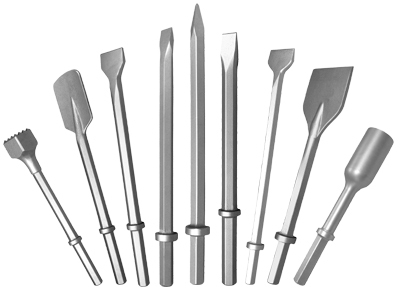
The chisel profile you run matters as much as the shank system. A pointed chisel concentrates all the hammer energy into a single tip, making it the right call for breaking up dense concrete, punching through block, or starting a crack in reinforced slabs. Flat chisels spread that energy across a wider edge, which works well for chipping mortar joints, cleaning up spalled surfaces, or removing material along a defined line without blowing out too much surrounding concrete.
Gouge chisels are cut with a curved profile, and experienced operators use them for chasing conduit runs through masonry or carving out channels without the jagged, uncontrolled breakout you get when you try to force a flat chisel into the same job. Tile chisels are wider and designed specifically for the kind of controlled surface impact that pops floor tile without immediately destroying the subfloor beneath it - a job where using a pointed chisel is a mistake that costs you in subfloor repairs.
Scraper-style profiles are used for removing adhesive residue, thinset, and mastic from concrete substrates after tile or flooring has already been broken free. The Tile Council of North America notes that thinset bond strength varies widely by product type, which is part of why a dedicated scraper profile outperforms a repurposed flat chisel when the adhesive is still partially cured. Champion Chisel's SDS Max Tools and SDS Plus Tools lines include multiple chisel profiles, so contractors working through a varied scope of demo work can order the right geometry for each phase of the job.
How Do You Confirm Your Rotary Hammer Accepts the SDS Chisel Bit You Want?
The fastest way to confirm compatibility is to check the hammer's chuck directly. SDS Plus chucks have a smaller opening and typically feature a distinct collar release, while SDS Max chucks are visibly larger and designed for the heavier shank. Most rotary hammers manufactured in the last two decades are clearly marked on the tool body or in the owner's manual with the SDS designation they accept.
If you are ordering SDS chisel bits for a specific hammer and want to cross-reference before placing your order, Champion Chisel's team at 800-239-1434 can walk through compatibility with you. The catalog at https://www.championchisel.com is organized by shank type, so once you know whether your hammer runs SDS Plus or SDS Max, navigating to the right product category is straightforward. Getting this wrong is not just inconvenient - a mismatched chisel bit can fail to seat properly, cause premature chuck wear, and in some cases create a safety hazard on the job site.
For contractors running older demolition hammers that use hex or spline shank systems rather than SDS, Champion Chisel also manufactures tooling across a wide range of those systems, including Spline or Rotary Drive and several hex configurations. The blog SDS Max vs Spline Drive Which Shank System Should You Be Running on Heavy Concrete Breaking Jobs covers the performance differences between SDS Max and spline drive in more detail for crews weighing a hammer upgrade. Compatibility is a one-time check that protects every bit you buy going forward, so it is worth doing right.
What Signs Tell You an SDS Chisel Bit Is Worn Out and Ready to Replace?
The most obvious indicator is a dulled or mushroomed tip. A pointed chisel that has lost its taper and developed a rounded, blunt end is no longer concentrating force the way it was designed to - you will notice it immediately in how much harder you are working to move the same amount of material. Flat chisels that have rolled edges or visible cracks along the working face are past their service life regardless of how much shank length remains.
Shank wear is the other area to inspect before every use. If the retention grooves on an SDS chisel bit show visible deformation, excessive play in the chuck, or scoring that goes beyond normal wear marks, the bit is compromising the locking mechanism that keeps it seated during hammering. That kind of wear pattern accelerates when bits are run without proper lubrication or when operators push tools harder than the application warrants - both common situations on job sites where crews are under time pressure.
The American Concrete Institute has documented how demolition tool performance degrades with material hardness, which is one reason the same SDS chisel bit that lasts through a long tile removal job might show accelerated wear on a reinforced slab. Champion Chisel manufactures its SDS chisel bits to professional-grade standards specifically for heavy daily use, but no chisel is designed to run indefinitely. Replacing a worn bit before it causes a chuck issue or fails on the job costs far less than the downtime or equipment damage that follows a preventable tool failure.
How Does Material Hardness Affect Which SDS Chisel Bit You Should Run?
Ceramic floor tile, concrete block, brick, and reinforced slabs each place different demands on a chisel bit. Tile removal is a surface-layer task - the material is hard but relatively thin, and the goal is controlled impact that releases the bond without blowing through to the subfloor. An SDS Plus setup with a tile or flat chisel profile handles this work efficiently because the lighter hammer delivers more controllable energy per stroke than an SDS Max rig swinging at full force.
Heavy concrete is a different situation entirely. Structural slabs, foundation work, and pavement demolition involve thick, dense material that benefits from the higher impact energy an SDS Max system delivers. Trying to use SDS Plus chisel bits on thick reinforced concrete is not just slow - it accelerates tip wear, increases heat buildup in the shank, and fatigues the bit faster than the application requires.
Masonry block and brick sit somewhere in the middle. These materials break more predictably than reinforced concrete but still demand a chisel bit that can sustain repeated high-impact contact without losing its edge geometry early. Contractors working mixed-material demo jobs - tile removal followed by a block wall, for example - often carry both SDS Plus and SDS Max chisel bits for exactly this reason.
What Should Contractors Know About SDS Chisel Bit Quality Before Buying?
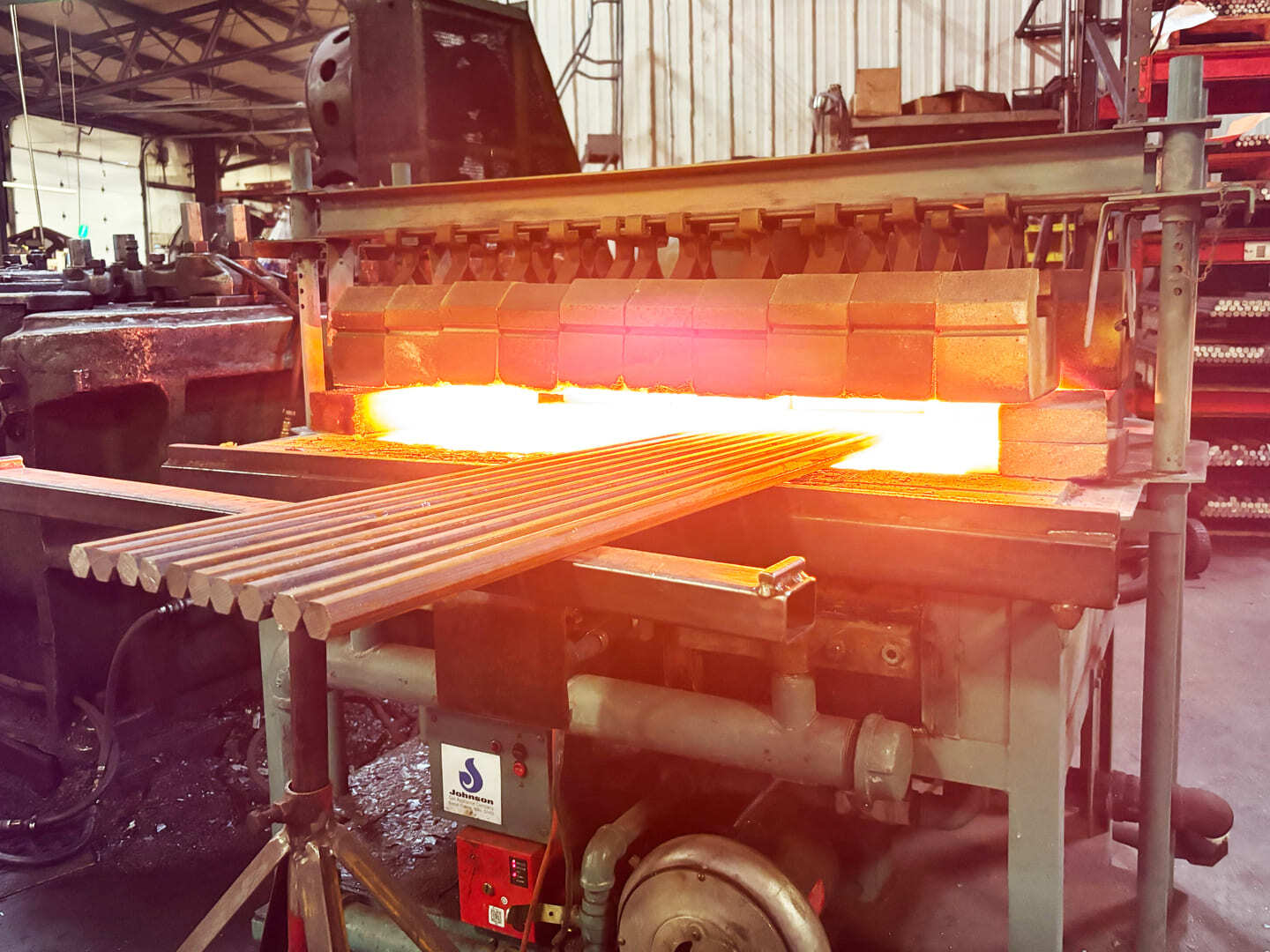
Professional-grade SDS chisel bits are manufactured from higher-quality steel alloys and go through heat treatment processes that consumer-grade tooling does not. That difference shows up not at first use but over the course of a full week on a demanding job site - a professional chisel holds its geometry longer, resists tip deformation under sustained impact, and does not mushroom as quickly when driven hard through dense material.
Contractors who have bought hardware store bits to save money upfront almost always recognize the pattern: the bits work fine for the first hour, then start losing performance, then require more force to achieve the same result, which in turn accelerates wear on the chisel and increases fatigue on the operator. Buying replacement bits mid-job costs more in combined material and downtime than buying the right bit the first time. Champion Chisel, operating out of Rock Falls, IL, manufactures and sells direct to contractors specifically to close that gap between professional tool needs and what the hardware store stocks.
Free shipping on orders over $100 at https://www.championchisel.com makes it practical to stock an adequate supply of the right profiles before a job starts rather than ordering one bit at a time as they wear out. Crews that pre-order the SDS chisel bits they need by profile and quantity, based on an honest read of the material they are demolishing, spend less time waiting on parts and more time moving the job forward. That is the kind of purchasing decision that separates organized demolition operations from ones that are always scrambling.
Frequently Asked Questions
Can you use SDS Max chisel bits in an SDS Plus rotary hammer?
No - SDS Max chisel bits have an 18mm shank diameter and cannot be inserted into an SDS Plus chuck, which is designed for the smaller 10mm SDS Plus shank. The two systems are mechanically incompatible without a purpose-built adapter, and running mismatched tooling risks damaging the chuck and creating a safety hazard. Champion Chisel manufactures SDS chisel bits in both systems and can help contractors confirm which shank type their hammer accepts by calling 800-239-1434.
What SDS chisel profile is best for removing ceramic floor tile?
A flat or tile-profile chisel bit is the correct choice for ceramic tile removal because it distributes impact energy across a wider face, releasing the tile bond without punching through the subfloor beneath it. A pointed chisel concentrates too much force in a single spot for surface tile work and increases the risk of subfloor damage. Champion Chisel's SDS Plus Tools line includes chisel profiles suited for tile removal, available at championchisel.com with free shipping on orders over $100.
How long should a professional-grade SDS chisel bit last?
Service life depends on material hardness, hammer class, and whether the bit is being used within its intended application, so there is no single answer. A professional-grade SDS chisel bit used correctly on masonry or tile will outlast a consumer-grade bit by a significant margin because of the higher-quality steel and heat treatment involved in its manufacturing. Champion Chisel manufactures its SDS chisel bits to professional standards for contractors running them daily, and worn bits should be replaced when tip deformation, mushrooming, or shank groove damage becomes visible.
What is the difference between an SDS chisel bit and a drill bit?
SDS chisel bits are designed for chipping and demolition - they attach to a rotary hammer set to hammer-only mode and break or remove material through repeated impact without rotating. SDS drill bits are designed for drilling and rotate during use, often with a combined hammering action for masonry drilling. Champion Chisel manufactures both SDS chisel bits for demolition work and SDS masonry drill bits, including single-tip and quad-tip options in SDS Max and SDS Plus configurations, all available at championchisel.com.
Does Champion Chisel ship SDS chisel bits nationwide?
Yes - Champion Chisel ships professional-grade SDS chisel bits and demolition tooling nationwide from Rock Falls, IL. Orders over $100 qualify for free shipping, and the full catalog of SDS Plus and SDS Max chisel profiles is available to browse and order directly at championchisel.com. Contractors with questions about compatibility or product selection can reach Champion Chisel at 800-239-1434 before placing an order.
|
2M+
Chisels Forged
|
50M+
Lbs US Steel
|
2,400+
Customers Worldwide
|
Browse Champion Chisel's full line of SDS Plus and SDS Max chisel bits at https://www.championchisel.com. Orders over $100 ship free nationwide, and the catalog is organized by shank type so you can find the right profile for your application without guessing. If you want to confirm compatibility before ordering or need help matching a chisel profile to your job scope, call Champion Chisel at 800-239-1434. The team in Rock Falls, IL is available to answer technical questions and help you get the right tooling on the job site without delay.
| Contact Us | Shop All Tools |